When patients come to me worried about their cholesterol, I always start with this: cholesterol is not the enemy. It is a marker. When it is elevated or out of balance, it is usually your body telling you that something deeper needs attention, often related to inflammation or metabolic health.
The good news is that improving your cholesterol does not require extreme diets or complicated plans. In fact, the most effective changes are often the simplest ones, done consistently.
Here are five strategies I regularly share with patients to help support healthier cholesterol levels and overall heart health.
1. Start With Real Food
Your body is always responding to what you feed it. Diets high in processed foods, added sugars, and refined carbohydrates can disrupt your metabolism and lead to unfavorable cholesterol patterns.
I encourage patients to shift their focus to real, whole foods:
- Quality protein like eggs, fish, and responsibly sourced meats
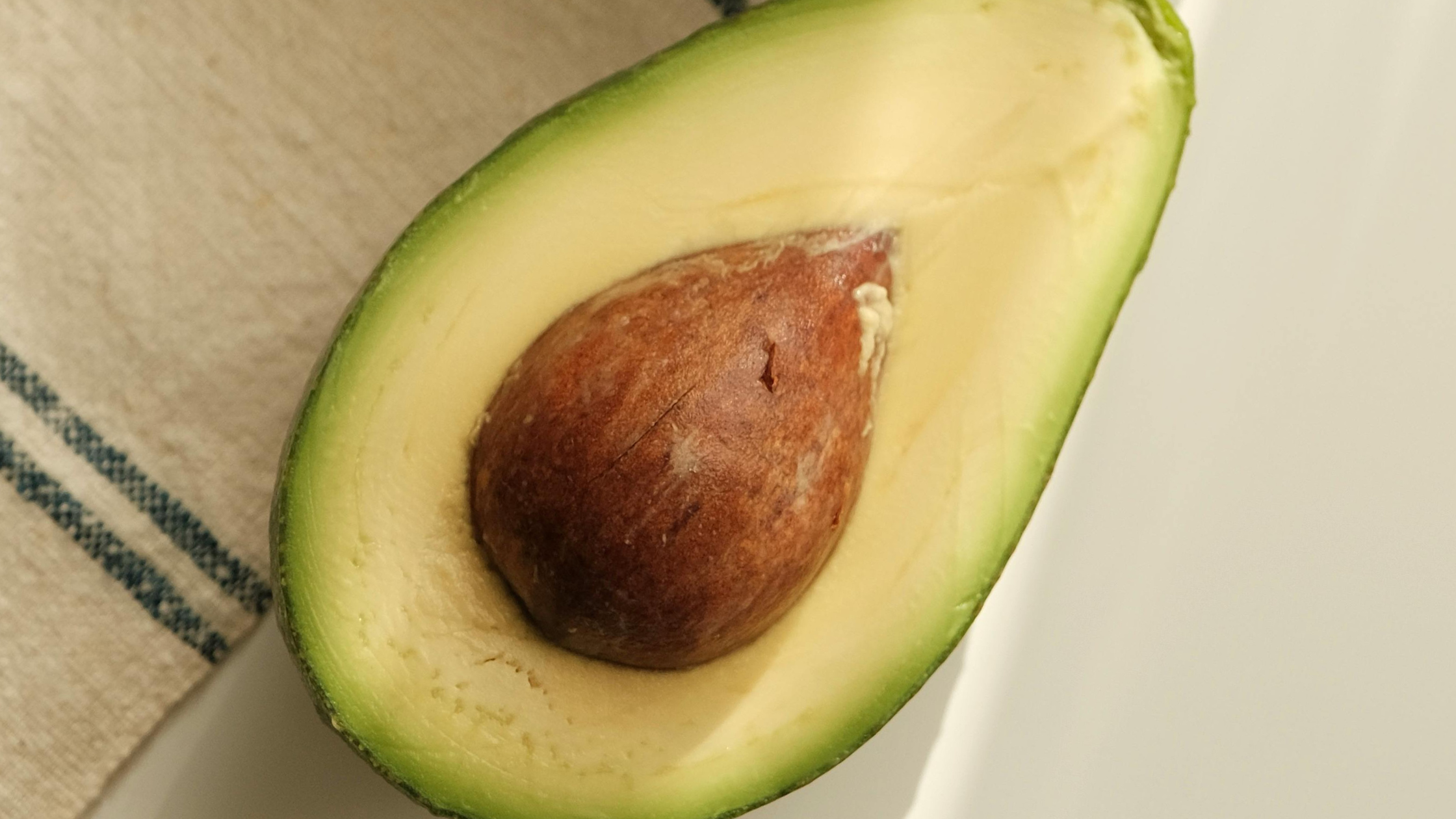
- Healthy fats such as olive oil, avocados, and nuts
- Non-starchy vegetables for fiber and essential nutrients
This approach helps reduce inflammation and stabilize blood sugar, both of which play a major role in heart health.
2. Include Fiber, But Keep It in Perspective
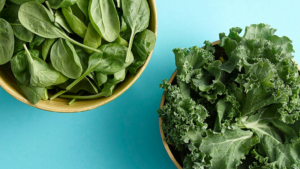
Yes, soluble fiber can help lower LDL cholesterol by binding to it in the digestive tract. Foods like chia seeds, flaxseeds, avocados, and leafy greens are great additions.
But I always remind patients that fiber is not a cure-all. Its effects are helpful, but modest. Rather than chasing fiber numbers, focus on building balanced meals. When your metabolism is working well, your body becomes much better at regulating cholesterol naturally.
3. Rethink Fat
For years, we were told to fear fat. In reality, the right types of fat are essential for hormone production, cellular repair, and overall health.
I recommend incorporating:
- Fatty fish like salmon
- Extra virgin olive oil and avocado oil
- Nuts, seeds, and minimally processed dairy- yes, including butter and heavy cream!
At the same time, it is important to limit highly processed vegetable oils and artificial trans fats, which are more closely linked to inflammation and poor cardiovascular outcomes.
4. Move Your Body Daily
You do not need to spend hours in the gym to improve your cholesterol. What matters most is consistent movement.
I like to keep it simple:
- Walk daily
- Strength train a few times per week
- Add in occasional short bursts of higher-intensity activity
This combination supports higher HDL, lower triglycerides, and better insulin sensitivity. It also helps maintain muscle mass, which becomes increasingly important as we age.
5. Look at the Bigger Picture
One of the biggest misconceptions I see is treating cholesterol as the root problem. In many cases, it is a symptom of underlying metabolic dysfunction.
That is why I encourage patients to focus on the bigger picture. Prioritize blood sugar control, reduce processed foods, manage stress, and get adequate sleep. When you address these foundational areas, cholesterol levels often improve as a result.
Final Thought
I always tell my patients that you do not need to be perfect to see progress. You just need to be consistent. When you give your body the right inputs over time, it has an incredible ability to regulate and heal. Your heart health is no exception.