For decades, we’ve been told that losing weight is simple: eat less, move more, and the pounds will melt away. If that were true, wouldn’t it have worked by now?
The truth is, it’s not just about how much you eat. It’s about what you eat.
The Biggest Loser Problem
Take a look at the contestants from The Biggest Loser. They lost massive amounts of weight by cutting calories and exercising for hours each day. But when researchers followed up years later, nearly everyone had regained the weight and their metabolisms never fully recovered.
Their resting metabolic rate, the number of calories their bodies burn at rest, had dropped by hundreds of calories per day. Even after gaining the weight back, their bodies were still burning less energy than before the show. That means they had to eat even less just to maintain their weight.
So what went wrong? The answer lies in the type of diet they followed.
The Truth About Fat
Most “weight loss” plans focus on eating low-calorie, low-fat meals. But fat is not the enemy. When you strip fat from your diet, you disrupt your hormones and slow your metabolism.
Fat is essential for producing hormones like testosterone and growth hormone, which are key for preserving muscle and burning body fat. Without enough fat, your body starts breaking down muscle tissue for energy. Less muscle means a slower metabolism.
Add in a high-carb, low-protein diet, and insulin levels spike, signaling your body to store fat instead of burning it.
Why Low-Fat Means Low Energy
Here’s the problem: a slow metabolism and high insulin create the perfect storm for fat gain and frustration.
Now imagine two people both eating 1,200 calories per day. One follows a low-fat, high-carb plan filled with “diet” foods. The other eats meals rich in protein and healthy fats.
The first person ends up hungrier, crankier, and more prone to regain weight. The second feels full, energized, and maintains muscle. Why? Because fat and protein stabilize hormones, prevent cravings, and keep metabolism strong.
Research backs this up. A study published in Nutrients found that people following a low-carb, higher-fat diet lost more body fat while preserving muscle compared to those on a low-fat plan. In other words, eating more fat helped them burn fat.
The Smart Way to Lose Weight
It’s time to move away from the “eat less, move more” mentality. Extreme calorie restriction paired with endless cardio doesn’t just fail, it backfires. Your body interprets it as starvation and fights to conserve energy by slowing down your metabolism.
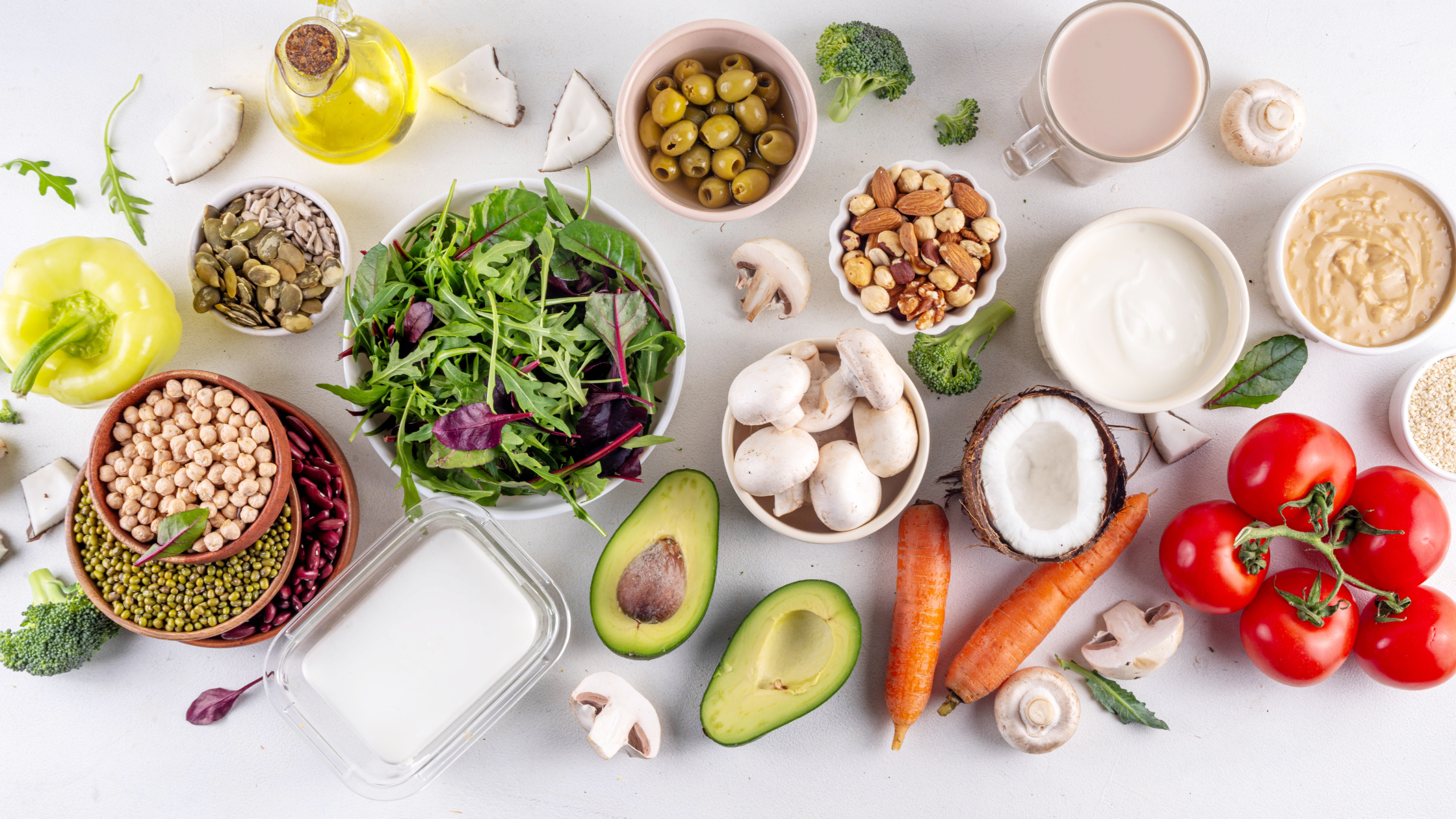
The smarter approach is to eat foods that support your metabolism instead of sabotaging it. Focus on protein and healthy fats to keep hunger in check, stabilize blood sugar, and protect muscle mass. Choose whole foods over processed carbs, and add movement that builds strength rather than depleting energy.
The Bottom Line
Lasting fat loss is not about eating less, it’s about eating smarter. When you nourish your body with the right balance of nutrients, you stop fighting against it and finally start working with it.