

With summer around the corner, I keep having the same conversation in my clinic.
Someone comes in doing everything right. Eating their vegetables, avoiding junk, staying consistent. And they still feel bloated, foggy, exhausted, and stuck.
The frustration is real, because they are trying. Their body just isn’t responding to the inputs.
Here is what I want you to hear today, whether you have been with us for years or you are still figuring out your next step. “Healthy” is not one-size-fits-all. Your body’s response to food is data, not a verdict on your effort. A vegetable that energizes your neighbor can quietly work against you, and the opposite is just as true.
This is not your fault. The information you were given was incomplete.
Below are seven common vegetables I see causing quiet problems for the wrong people. For each one, I will tell you what is happening in the body, who tends to be affected, and the gentler swap I recommend. The list of foods that nourish without overloading your system is long, and you will see plenty of options here.
No fear. No drama. Just precision.
1. Spinach
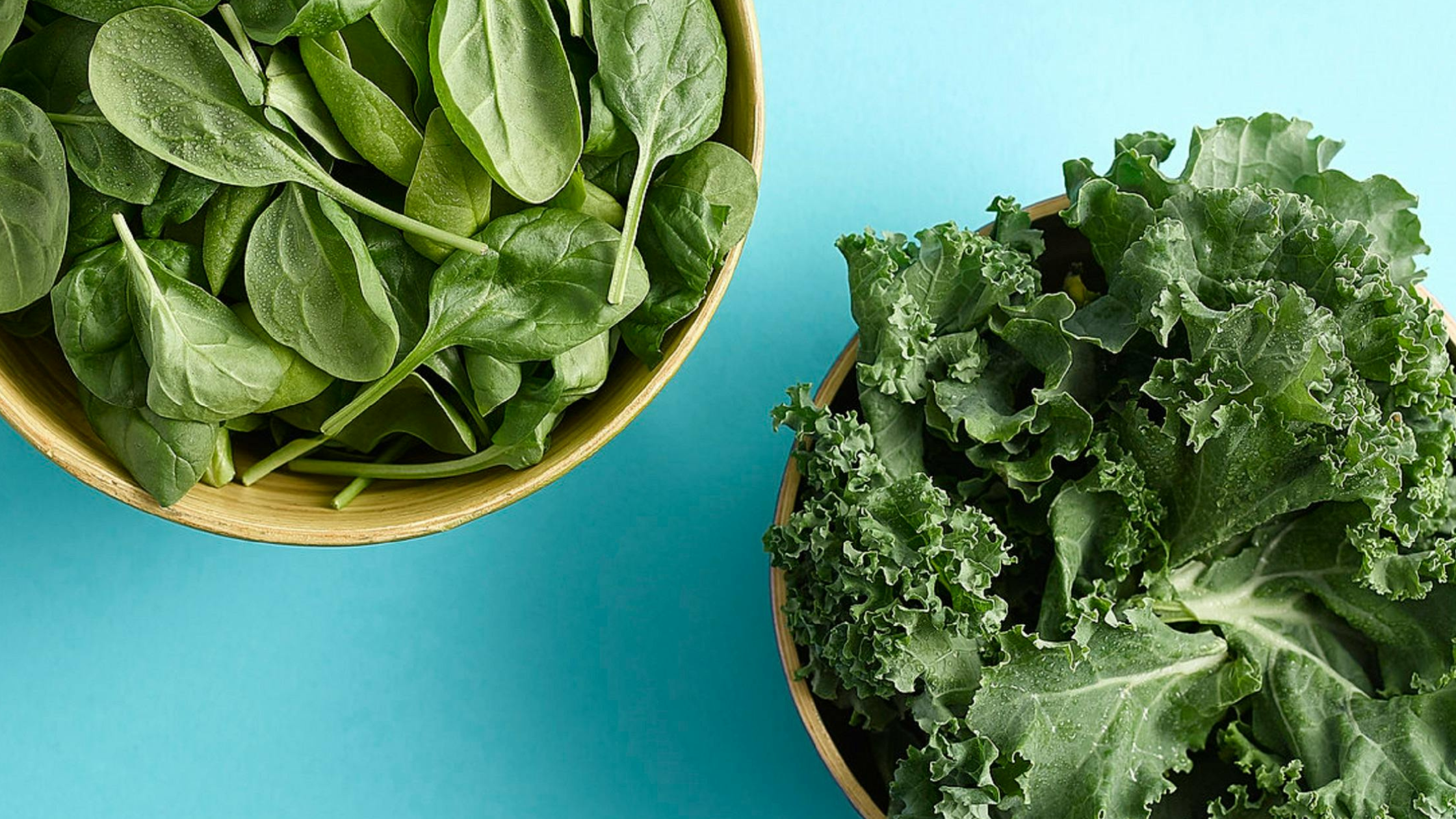
Spinach is nutrient-dense, and for many people it is a great addition to the plate. The catch is oxalates, naturally occurring compounds that can bind to calcium and magnesium in the gut and reduce absorption. For people with gut sensitivity, a history of kidney stones, or ongoing inflammation, daily spinach can show up as bloating, fatigue, brain fog, or joint discomfort.
If you have been eating spinach every day and wondering why you feel off, this is worth a closer look.
A gentler swap: Watercress, arugula, or lightly steamed broccoli. Same nutrient density, far easier on the gut.
2. Swiss Chard
Swiss chard is another high-oxalate leafy green, especially in the leaves. Eaten frequently and in large amounts, it can interfere with calcium and magnesium absorption and contribute to mineral imbalances that show up as low-grade fatigue you may not even associate with food.
A gentler swap: Romaine lettuce. Hydrating, folate-rich, very low in oxalates, and supportive of both gut and metabolic health.
3. Beets
Beets are beautiful, antioxidant-rich, and not a villain. I am not telling you to skip them. But they do carry both natural sugar and oxalates. If you have any degree of insulin resistance or blood sugar sensitivity, beets can cause noticeable glucose spikes and the energy crashes that follow.
If that pattern sounds familiar, rotate them out for a few weeks and see how you feel.
A gentler swap: Fennel, celery, or radishes. Low in sugar, supportive of digestion, and a clean match for the season.
4. Raw Kale
Raw kale gets a lot of credit, and for good reason. The complication is goitrogens, compounds that can interfere with thyroid signaling, particularly in people who are low in iodine. Thyroid function matters for metabolism, energy, and how the body releases stored weight. Raw kale also ranks high on the pesticide residue list and carries moderate oxalates.
If you are already running on a sluggish system, the daily raw-kale smoothie may be working against you, not for you.
A gentler swap: Fermented vegetables like sauerkraut and kimchi. They support gut health, deliver natural probiotics, and offer a different category of nutrient density than the leafy greens.
5. White and Sweet Potatoes
Both are high in starch, which raises blood sugar and insulin quickly, especially in people with metabolic resistance. The skins also contain lectins that can aggravate the gut lining in sensitive individuals.
If your goal right now is to drop weight and stabilize energy, the potato may not be your friend.
A gentler swap: Cauliflower mash, Japanese sweet potatoes (significantly lower glycemic than the orange variety), or turnips. You keep the comfort, you lose the spike.
6. Eggplant
Eggplant is part of the nightshade family. It contains lectins and a compound called solanine, both of which can irritate the gut lining and may contribute to inflammation, joint pain, or brain fog in people with autoimmune sensitivities or gut permeability issues.
If you notice you feel worse after nightshade-heavy meals, your body is telling you something.
A gentler swap: Zucchini, peeled asparagus, and mushrooms. Nourishing, anti-inflammatory, and gentle on a system that is already working hard.
7. Corn
Corn is technically a grain, not a vegetable, even though most people treat it like one. It is high in starch, the majority of the U.S. supply is genetically modified, and it is heavily sprayed with glyphosate. Research increasingly links glyphosate to gut microbiome disruption and metabolic dysfunction.
If you are working on inflammation and metabolic health, corn is not pulling its weight.
A gentler swap: Butternut squash, cauliflower rice, and coconut flour tortillas. Satisfying, practical, and they work with your metabolism rather than against it.
Here is what I want you to take away.
Not everyone reacts the same way to every food on this list. Your body is individual. The point of this article is not to put you on a restriction diet or make you afraid of vegetables. It is to give you a place to look when you have been doing the work and your body is not responding.
If you have been doing everything right and still feel bloated, foggy, inflamed, or stuck, these seven are worth a closer look. Not because you failed. Because the information was incomplete.
This is exactly the kind of detail that makes the difference inside PHD. We look at what you are eating and why your body is or is not responding to it. Then we build a plan around your individual metabolism, not a generic template.
If you are ready to stop guessing and start getting answers, head to myphdweightloss.com to learn more about how we work with you.
With unwavering support and belief in your potential, Dr. Ashley