

Many people exercise consistently, try to eat well, and still struggle with stubborn belly fat that refuses to go away. When this happens, the issue is often not simply calories or willpower. In many cases, the underlying factor is hormonal balance.
One of the most important hormones influencing fat storage is cortisol.
Cortisol is the body’s primary stress hormone. It plays a vital role in short bursts, helping the body respond to danger, regulate blood sugar, and maintain energy during times of stress. However, when cortisol remains elevated for long periods due to chronic stress, poor sleep, blood sugar instability, or inflammation, it can signal the body to store fat rather than burn it.
This type of fat storage most commonly occurs in the abdominal region.
Chronic cortisol elevation has also been associated with fatigue, sleep disturbances, mood changes, digestive issues, inflammation, and increased cravings for sugar and processed carbohydrates.
The good news is that nutrition can play a powerful role in regulating cortisol and supporting a healthier metabolic environment. Certain foods contain nutrients that reduce inflammation, stabilize blood sugar, and support the nervous system, which can help bring cortisol levels back into balance.
Below are seven foods that naturally support cortisol regulation and may help reduce stubborn belly fat over time.
1. Fatty Fish: Omega-3 Support for Stress Hormones
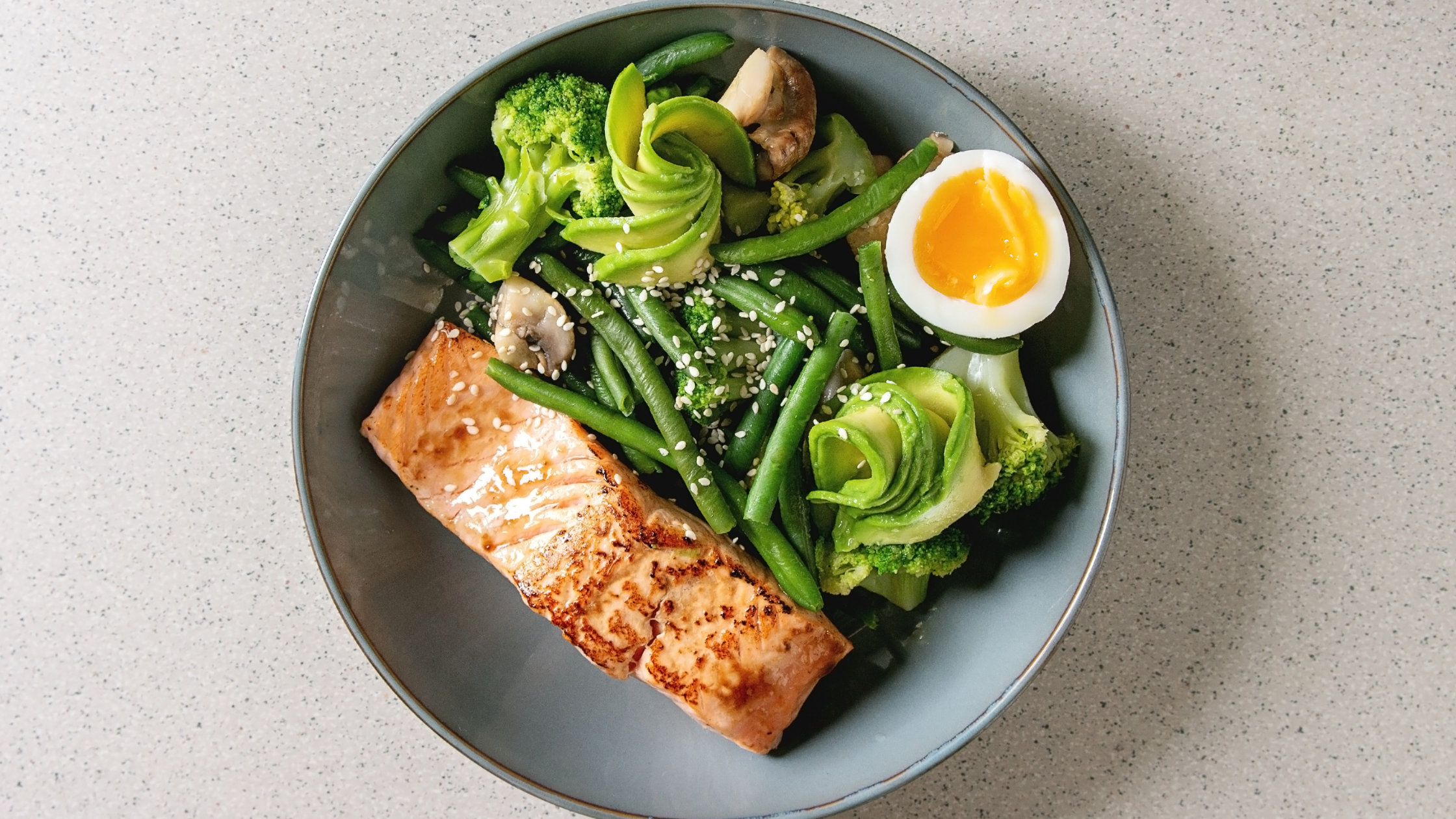
Fatty fish such as salmon, mackerel, and sardines are rich in omega-3 fatty acids, which play a significant role in reducing inflammation and supporting brain health.
Research suggests omega-3 fatty acids may help blunt the body’s cortisol response to stress while improving mood and cognitive function. Chronic inflammation and elevated cortisol often occur together, so reducing inflammation can be an important step toward improving metabolic health.
Omega-3s also support heart health, brain function, and hormonal signaling, making fatty fish one of the most beneficial foods for long-term wellness.
Aim to include fatty fish two to three times per week as part of a balanced nutrition plan.
At PHD Weight Loss, many clients are surprised to learn how much food quality influences hormone balance. Relearning what to eat can feel overwhelming after years of conflicting nutrition advice. That is why our program removes the guesswork by providing a clear, optimized nutrition plan designed to support fat loss, hormone balance, and metabolic health.
2. Dark Chocolate: Magnesium for Nervous System Support
Dark chocolate, particularly varieties containing 70 percent cocoa or higher, contains compounds that may help reduce perceived stress.
Cocoa is rich in magnesium, a mineral that plays a crucial role in nervous system regulation, muscle relaxation, and stress management. Magnesium deficiencies are common and have been associated with increased stress sensitivity and fatigue.
Dark chocolate also contains polyphenols and antioxidants that help reduce oxidative stress in the body.
Moderation is key. A small serving of high-quality dark chocolate can be a satisfying addition to a balanced diet, but highly processed chocolate bars loaded with sugar do not offer the same benefits.
3. High-Quality Red Meat: Nutrients That Support Energy and Stress Resilience
Red meat has often been misunderstood in modern nutrition conversations, but high-quality sources such as grass-fed beef, lamb, and bison can be incredibly nutrient dense.
These foods provide essential nutrients including:
- Iron
- Zinc
- Vitamin B12
- Complete amino acids
These nutrients are critical for energy production, oxygen transport, neurotransmitter balance, and adrenal function.
Low iron and B12 levels are particularly common in women and may contribute to fatigue, poor stress tolerance, and metabolic slowdown.
When incorporated into a balanced whole-food diet, high-quality red meat can support metabolic health and help stabilize energy levels throughout the day.
The key is focusing on minimally processed sources such as fresh steak, ground beef, or roasts rather than processed meats.
4. Berries: Antioxidant Protection Against Stress
Berries such as blueberries, strawberries, and raspberries are rich in antioxidants that help neutralize free radicals generated during periods of stress.
When cortisol levels remain elevated, oxidative stress increases throughout the body. Antioxidant-rich foods help counteract this damage while supporting immune function and brain health.
Berries are also naturally lower in sugar than many fruits and contain fiber that helps stabilize blood sugar levels.
One simple way to incorporate them into a balanced meal is pairing berries with full-fat Greek yogurt. This combination provides protein, healthy fats, and antioxidants that support satiety, digestion, and metabolic balance.
5. Green Tea: Calm Energy Without the Cortisol Spike
Green tea, particularly matcha, contains a unique amino acid called L-theanine.
L-theanine promotes a state of calm alertness by supporting relaxation without causing sedation. When combined with the gentle caffeine found in green tea, this compound can provide steady energy without the intense cortisol spike that often accompanies high doses of coffee.
Green tea is also rich in catechins, antioxidants that may support metabolic health and fat oxidation.
For individuals who rely heavily on afternoon coffee, replacing one serving with green tea can help stabilize energy while reducing stress on the adrenal system.
6. Fermented Foods: Supporting the Gut-Brain Connection
The gut and brain communicate constantly through what is known as the gut-brain axis. When the gut microbiome is balanced, signals sent to the brain can promote improved mood, better stress resilience, and reduced inflammation.
Fermented foods such as:
- Yogurt with live cultures
- Sauerkraut
- Kimchi
- Fermented vegetables
contain beneficial bacteria that support microbiome diversity.
Research suggests that improving gut health may help regulate cortisol and improve emotional well-being.
When choosing fermented foods, look for varieties that contain live cultures and minimal added sugars.
7. Avocados: Healthy Fats for Hormone Balance
Avocados are rich in monounsaturated fats, potassium, and fiber, all of which support metabolic health.
Healthy fats help stabilize blood sugar, reduce cravings, and provide sustained energy. When blood sugar fluctuates dramatically, cortisol levels often increase as the body attempts to restore balance.
Avocados also contain potassium, which supports healthy blood pressure and electrolyte balance. Chronic stress can deplete key minerals, making nutrient-dense foods even more important.
Adding avocado to meals can improve satiety while supporting hormone stability throughout the day.
Foods That May Increase Cortisol and Belly Fat
Just as certain foods support cortisol regulation, others may contribute to hormonal imbalance when consumed frequently.
Highly refined, high-glycemic foods can rapidly spike blood sugar levels. When blood sugar rises and falls quickly, the body releases cortisol to stabilize energy levels.
Foods that commonly trigger this response include:
- Sugary breakfast cereals
- Sweetened coffee drinks
- Fruit juices and sugary beverages
- Highly processed snack bars marketed as “healthy”
While these foods may seem convenient, frequent consumption can contribute to blood sugar instability, increased cravings, and greater fat storage.
The body interprets dramatic blood sugar swings as a stress signal, which can further elevate cortisol.
Lifestyle Habits That Help Lower Cortisol
Nutrition is one of the most powerful tools for regulating cortisol, but daily habits also play a major role.
Several lifestyle practices can help amplify the benefits of a balanced diet:
Prioritize restorative sleep.
Most adults benefit from seven to nine hours of sleep each night. Consistent sleep supports hormone regulation, brain detoxification, and metabolic health.
Exercise regularly without overtraining.
Movement reduces stress hormones, but excessive high-intensity exercise without adequate recovery may increase cortisol.
Practice stress release.
Journaling, talking with a trusted friend, or engaging in mindfulness practices can help the nervous system process stress more effectively.
Cultivate positive social connection.
Activities such as laughter, hugging, and meaningful conversation stimulate oxytocin, a hormone that helps counteract cortisol.
Create a supportive environment.
Stress can be influenced by surroundings, routines, and relationships. Curating a calmer environment can significantly impact overall hormone balance.
The Bottom Line
Stubborn belly fat is often more complex than simply eating less or exercising more. Hormones, stress levels, sleep quality, and inflammation all influence how the body stores and burns fat.
By incorporating nutrient-dense foods such as fatty fish, berries, fermented foods, and healthy fats while minimizing high-glycemic processed foods, it is possible to support cortisol balance and create a metabolic environment more favorable for fat loss.
At PHD Weight Loss, nutrition strategies are designed to stabilize blood sugar, support hormone balance, and create sustainable weight loss without extreme dieting or guesswork. Personalized plans help clients understand exactly what to eat and how to structure meals for optimal metabolic health.
Small, consistent changes in food choices and lifestyle habits can gradually reduce stress on the body, improve energy levels, and support long-term fat loss.